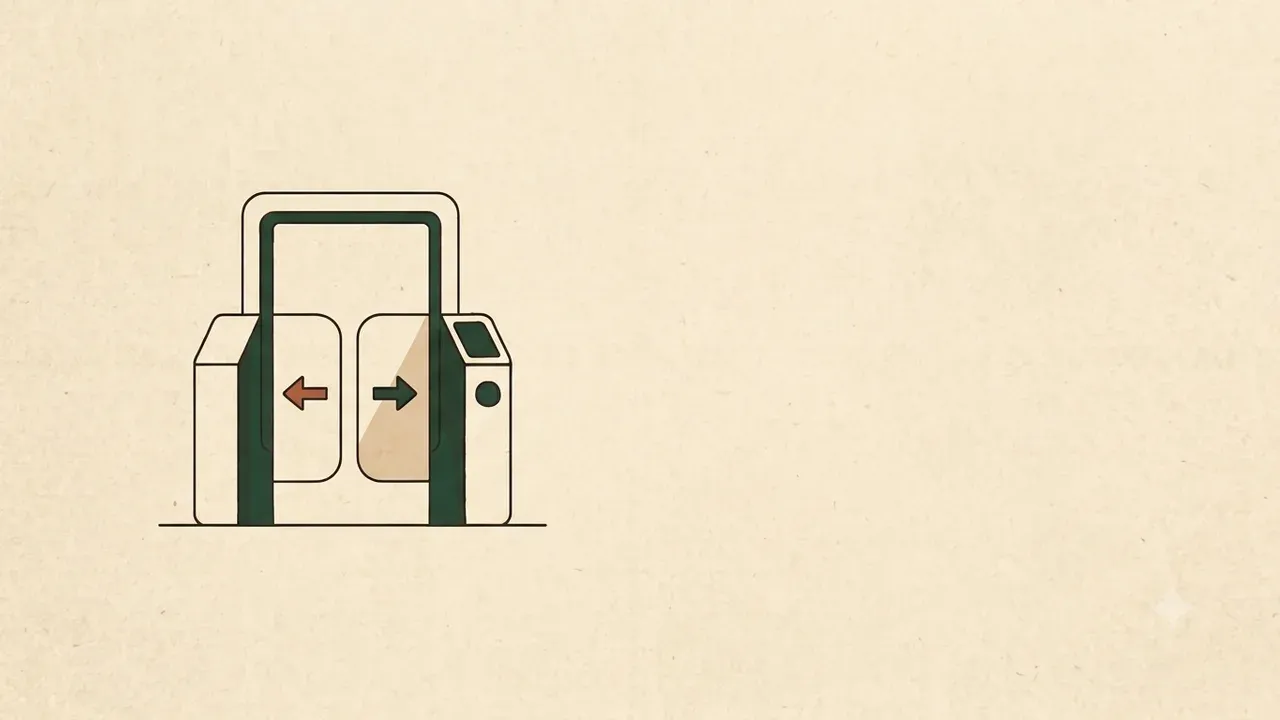
EES
A biometric entry/exit system that records non-EU travelers at Schengen borders, replacing the tradition of passport stamps.
OperationalWho needs EES
The Entry/Exit System (EES) records the entry and exit of every non-EU national crossing a Schengen external border. It replaces passport stamps with a digital record that includes fingerprints and a facial image.
There is no application, no fee, and no advance action required. Registration happens automatically at passport control on arrival. The first visit after activation takes slightly longer as biometrics are captured; subsequent entries use the stored record.
How to apply
EES registration happens at the border. There is nothing to submit in advance.
At passport control, the border officer or automated gate will scan your travel document.
Fingerprints and a facial image are captured on your first entry. These are stored for three years.
Common rejection reasons
- Unreadable or damaged biometric passport
- Refusal to provide fingerprints or facial image
- Passport not recognized by the automated system
- Outstanding alert in the Schengen Information System (SIS)
Frequently asked
No. EES is handled entirely at the border. If you are a visa-exempt national, you may also need ETIAS (once it launches), but EES itself requires no advance action.
The first registration takes slightly longer than a standard passport check. Subsequent entries use stored biometrics and are expected to be faster than the old stamp-based process.
Yes. Schengen countries will no longer stamp passports for entry and exit. The digital record tracks your 90/180-day stay allowance automatically.
Entry to the Schengen area will be refused. Biometric registration is mandatory for all third-country nationals.